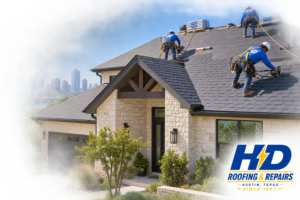
If your roof is showing its age, leaking repeatedly, or suffering from widespread storm damage, repairs may no longer be the most practical solution. A full roof replacement can protect your home, improve curb appeal, and give you confidence before the next round of Texas weather arrives.
But if you have never replaced a roof before, you may be wondering what the project actually involves. How long will it take? Do you need to leave your home? What should you do before the crew arrives?
This guide explains what Austin homeowners can expect during a professional roof replacement, from the initial inspection through the final cleanup.
Not every roofing problem requires a new roof. An isolated leak, a few missing shingles, or minor flashing damage may be repairable. Replacement becomes more likely when the roof has extensive deterioration or when repairs are becoming frequent and costly.
Common signs that it may be time to replace your roof include:
Roofing materials do not all age at the same rate. If you are unsure how much life your current system may have left, read [[LINK: How Long Does a Roof Last in Texas? Lifespan by Roofing Material]].
The most reliable way to determine whether you need repair or replacement is to have the entire roofing system inspected. A qualified roofer should evaluate the surface material, flashing, ventilation, penetrations, drainage, underlayment, and accessible decking—not just the most obvious damaged area.
If you are still weighing the two options, see [[LINK: Roof Repair vs. Roof Replacement: How Do You Know Which One You Need?]].
The replacement process begins with an inspection. Your roofing contractor should document the roof's condition, identify visible damage, take measurements, and discuss appropriate material options for your home and budget.
This is also the time to ask what the estimate includes. A clear roof-replacement proposal should explain:
The final cost will depend on factors such as roof size, pitch, accessibility, material choice, and the condition of the decking underneath the existing roof. For a more detailed breakdown, visit [[LINK: How Much Does a New Roof Cost in Austin, TX? What Homeowners Should Expect]].
Austin homeowners have several roofing options, including asphalt shingles and metal roofing. Each offers different advantages in appearance, longevity, maintenance, and initial cost.
Asphalt shingles remain a common residential choice because they are available in many styles and price ranges. Metal roofing generally costs more upfront but can offer a longer service life when the complete system is properly designed and installed.
Material quality matters, but installation quality matters just as much. Even a premium product can underperform if the flashing, fasteners, ventilation, or water-shedding details are installed incorrectly. Homeowners considering metal should read Why Professional Metal Roof Installation Matters More Than the Panels You Choose.
Your contractor should recommend a complete roofing system that suits the home's structure and Austin's heat, sun, wind, and severe-weather exposure—not simply the least expensive surface material.
Roof replacement is an active construction project. Preparing in advance can help protect your belongings and make the process easier for everyone.
Before work begins:
You can usually remain home while the roof is being replaced, but expect noise and vibration throughout the day. If you work from home, have a sleeping infant, or own a pet that is sensitive to loud sounds, you may be more comfortable making alternate arrangements during active installation.
On installation day, the crew will normally begin by protecting landscaping and establishing designated areas for materials and debris. The existing roof covering is then removed so the underlying system can be evaluated.
Removal is an important part of the process because some problems are not visible from the surface. Once the old material and underlayment are removed, the crew can inspect the roof deck for rot, moisture damage, or weakened sections.
Damaged decking should be replaced before the new system is installed. Covering compromised wood can leave structural and fastening problems hidden beneath a brand-new roof.
After the roof deck is prepared, installation of the new system begins. The exact components will depend on the roofing material and the home's design, but the work may include:
Each component has a job. The visible roof material sheds most of the water, while the layers and details beneath it provide additional protection and help direct moisture away from vulnerable areas.
Proper flashing is especially important around walls, chimneys, skylights, valleys, and plumbing vents. These transition points are common sources of leaks when they are rushed or improperly installed.
Many straightforward residential asphalt-shingle replacements can be completed in a relatively short period, but there is no universal timeline. Larger homes, steep or complex roofs, metal systems, extensive deck repairs, and changing weather conditions can extend the project.
Factors that affect the schedule include:
A responsible contractor should provide an estimated schedule before work begins and communicate promptly if hidden damage or weather changes that plan.
Roof replacement is not complete when the last shingle or panel is installed. The crew should remove discarded material, packaging, and loose debris from the property. Cleanup commonly includes sweeping the work area and using magnetic tools to locate stray fasteners around driveways, lawns, and landscaping.
The contractor should then perform a final inspection. This review should verify that the roofing material, flashing, vents, edges, penetrations, and other visible components were completed correctly.
Before closing out the project, homeowners should receive or confirm:
Take time to walk the property and ask about anything you do not understand. A professional roofing company should be willing to explain the completed work.
If the roof was damaged by hail, wind, or another covered event, document the visible damage and review your policy before authorizing major work. Coverage varies by policy, cause of loss, roof condition, deductibles, exclusions, and other factors. A roofing contractor can document roofing damage, but the insurance carrier determines coverage.
For a broader explanation, read Does Homeowners Insurance Cover Hail Damage to Your Roof in Texas?.
Do not delay emergency steps needed to prevent additional water intrusion. If you notice an active leak, contact a qualified roofing professional promptly. Austin homeowners searching for help can review Roof Repair Near Me in Austin, TX: How to Find the Right Roofer Before a Small Leak Gets Worse.
Before hiring a company for roof replacement in Austin, ask:
Price matters, but it should not be the only consideration. Clear communication, thorough documentation, sound installation practices, and dependable follow-through can make an enormous difference in both the project experience and the roof's long-term performance.
If your roof has widespread damage, recurring leaks, or signs of advanced wear, HD Roofing and Repairs can evaluate its condition and explain your options. We provide professional Austin Roof Replacement services with a focus on clear recommendations, quality workmanship, and careful attention to the complete roofing system.
Contact HD Roofing and Repairs to schedule an inspection and find out whether repair or roof replacement is the right next step for your Austin-area home.